
Presented by

Resuming school year 2026 - 2027
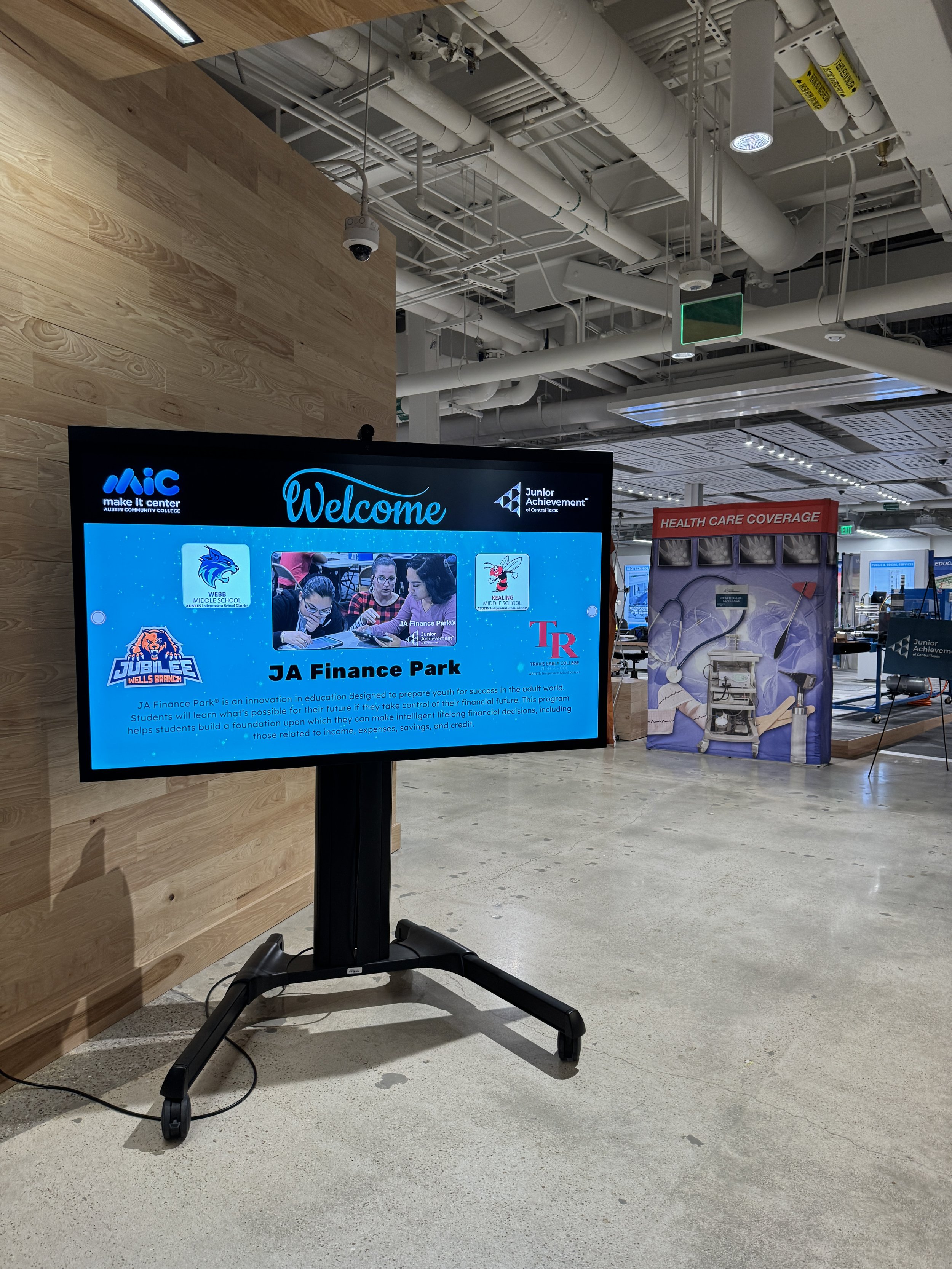
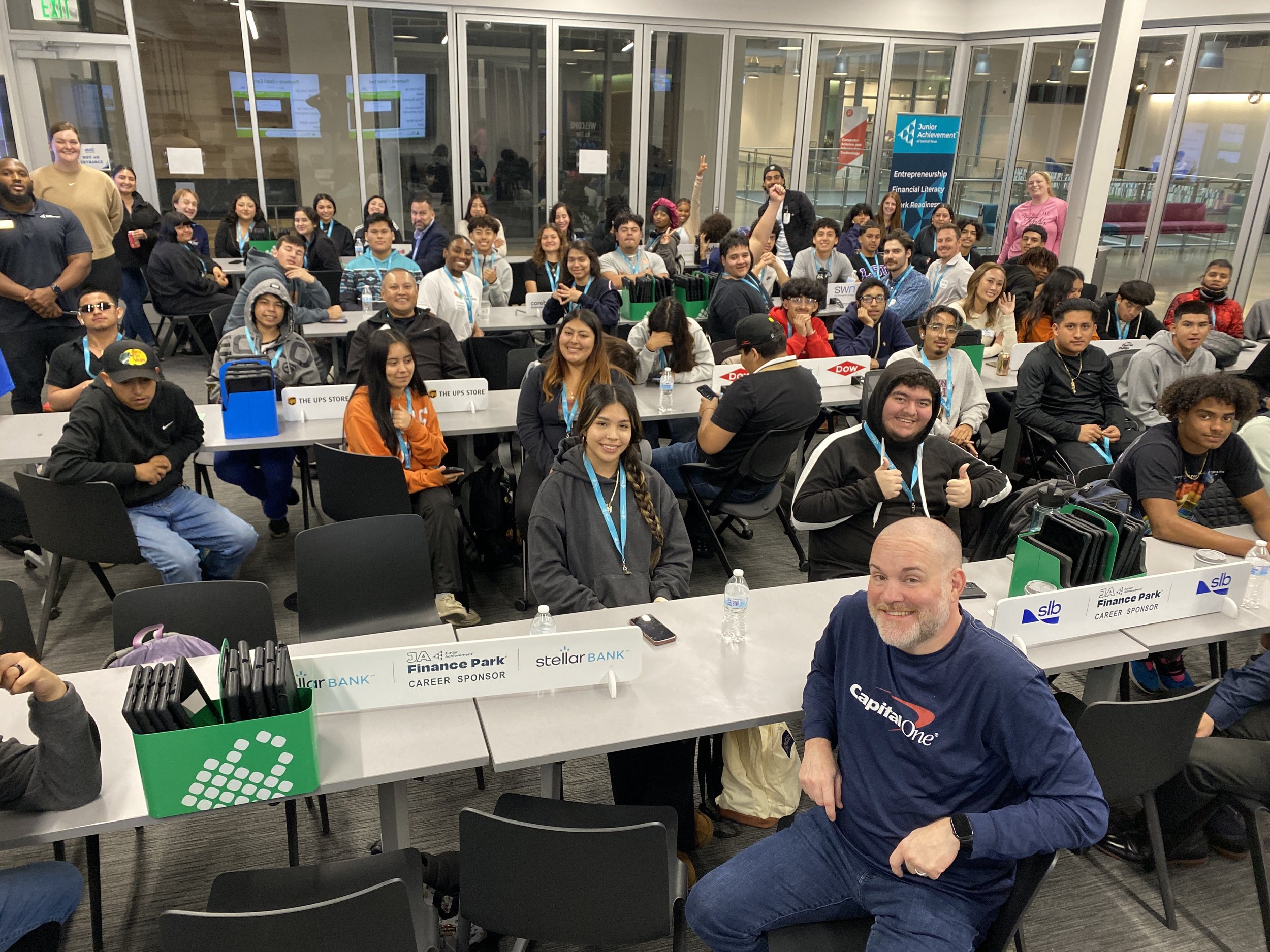
JA Finance Park® is an innovation in education designed to prepare youth for success in the adult world. Students will learn what’s possible if they take control of their financial future. This experience helps students build a foundation upon which they can make intelligent lifelong financial decisions, including those related to income, expenses, savings, credit, and investing.
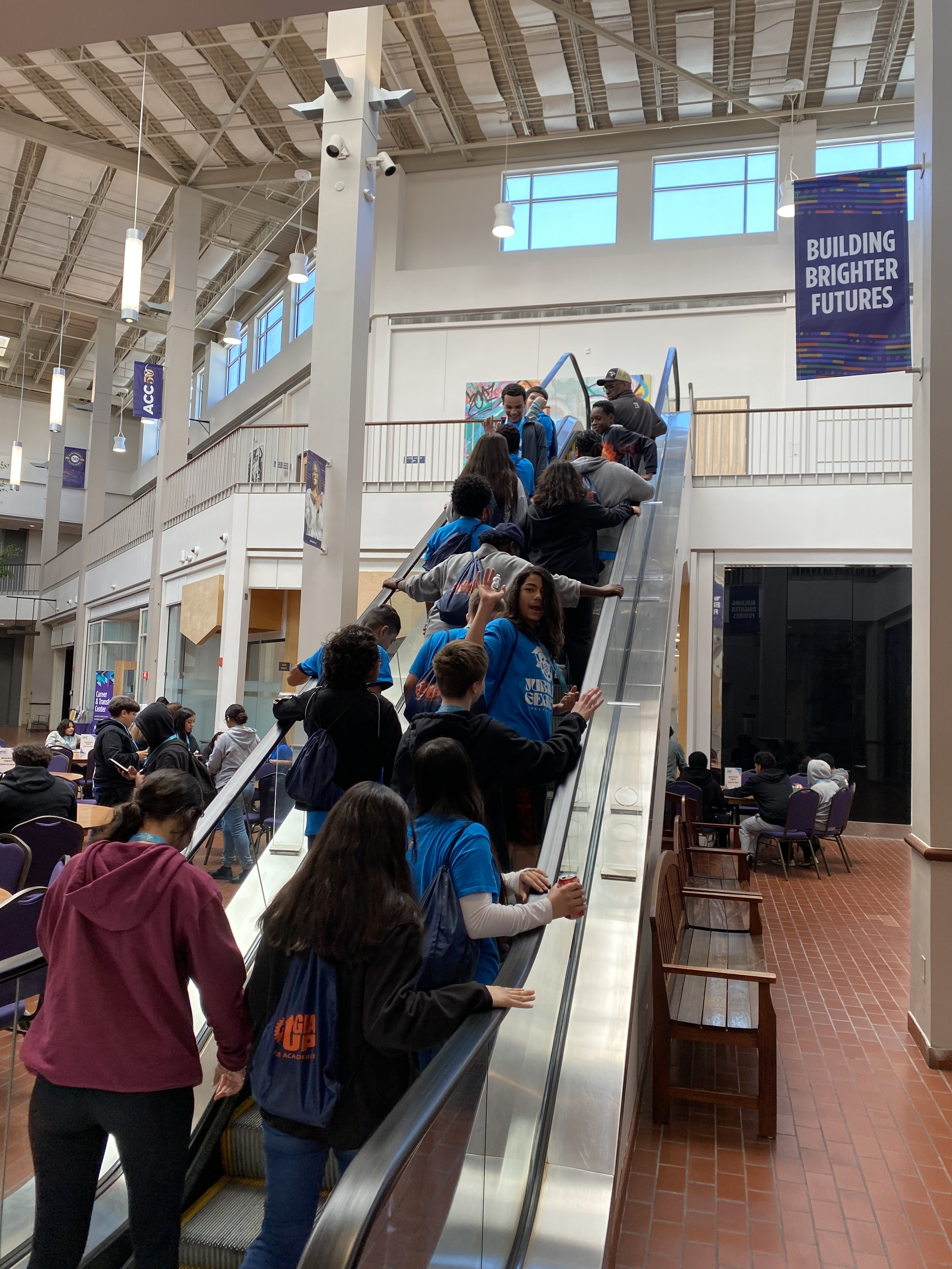
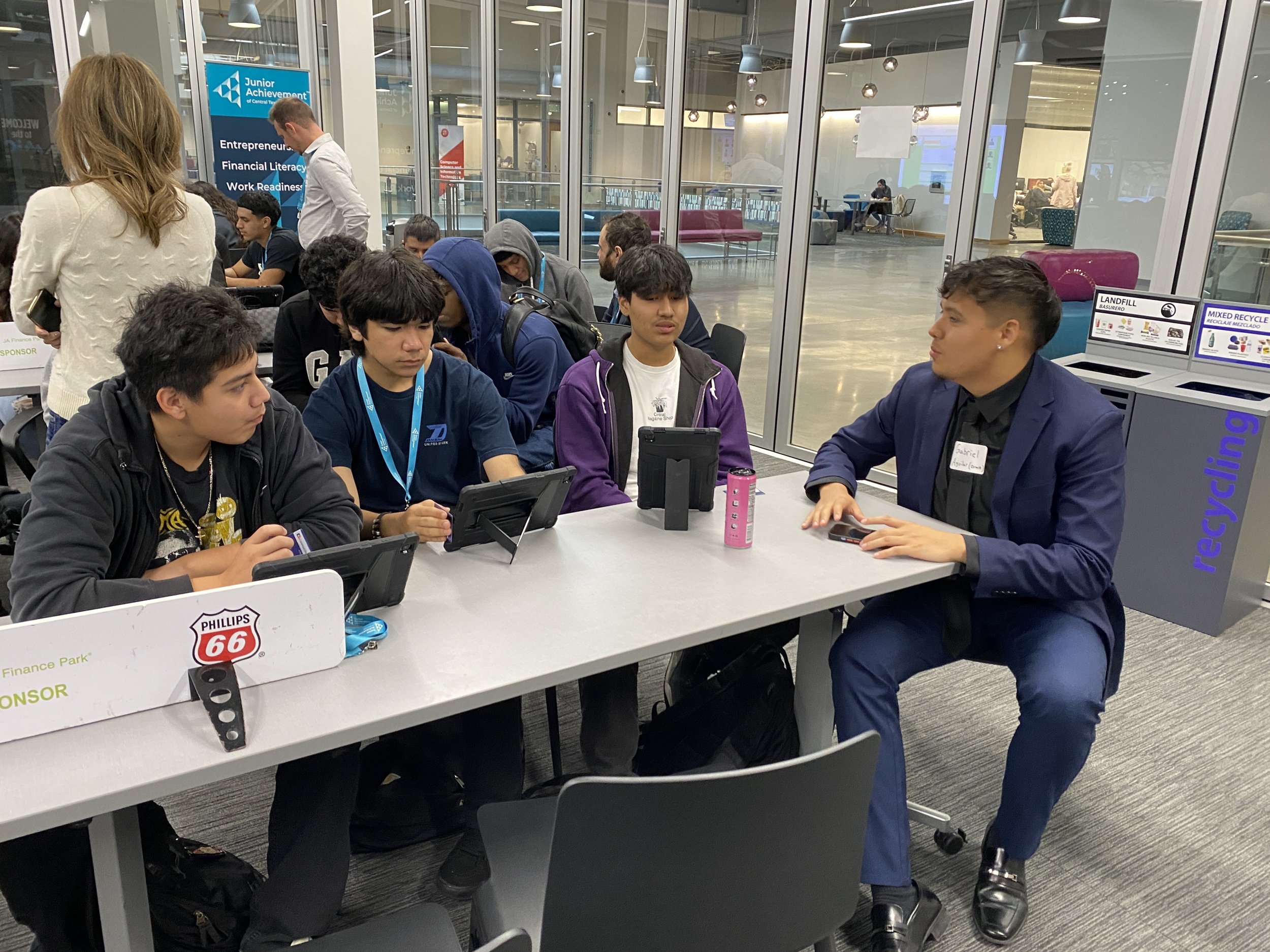
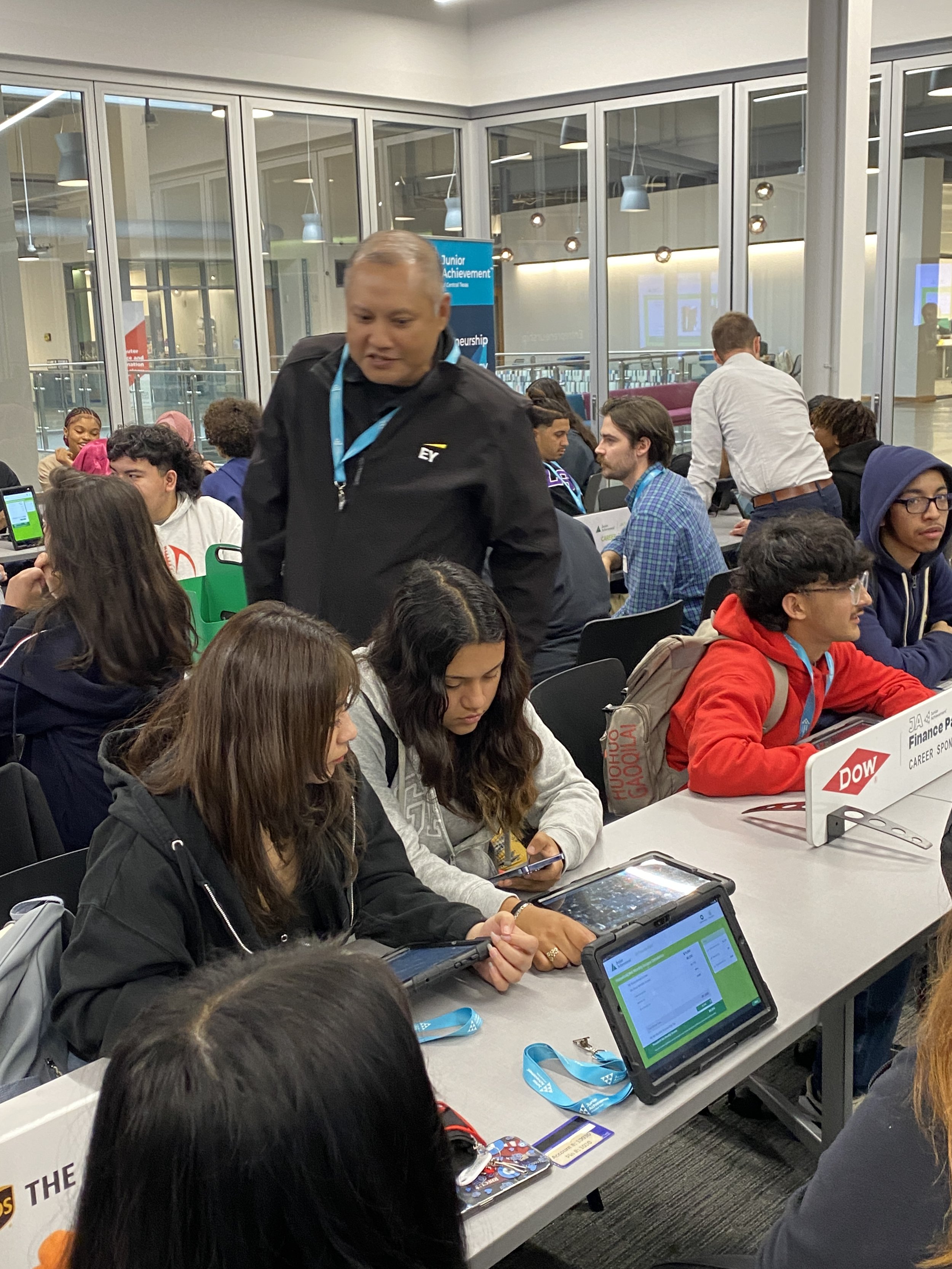
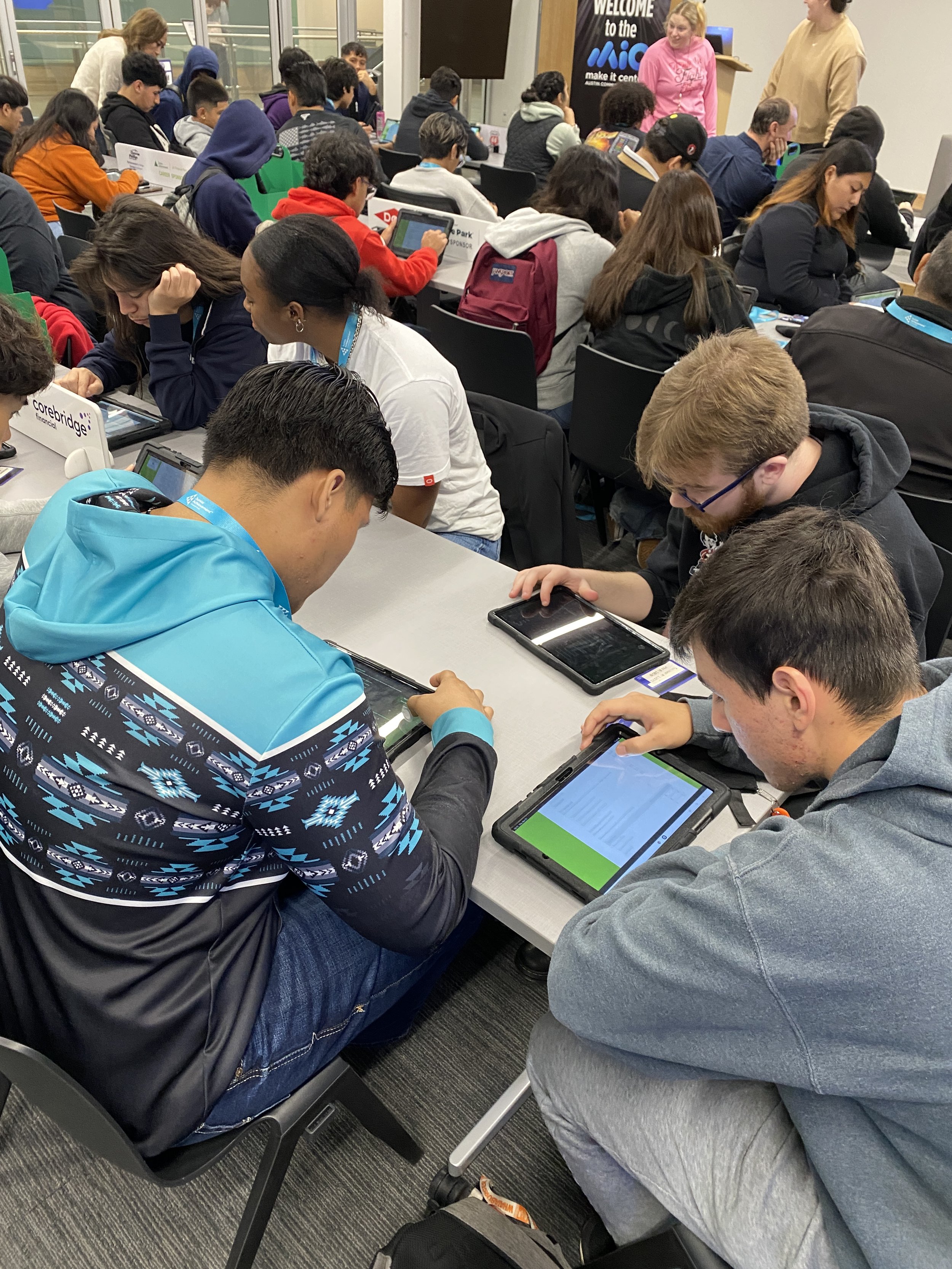
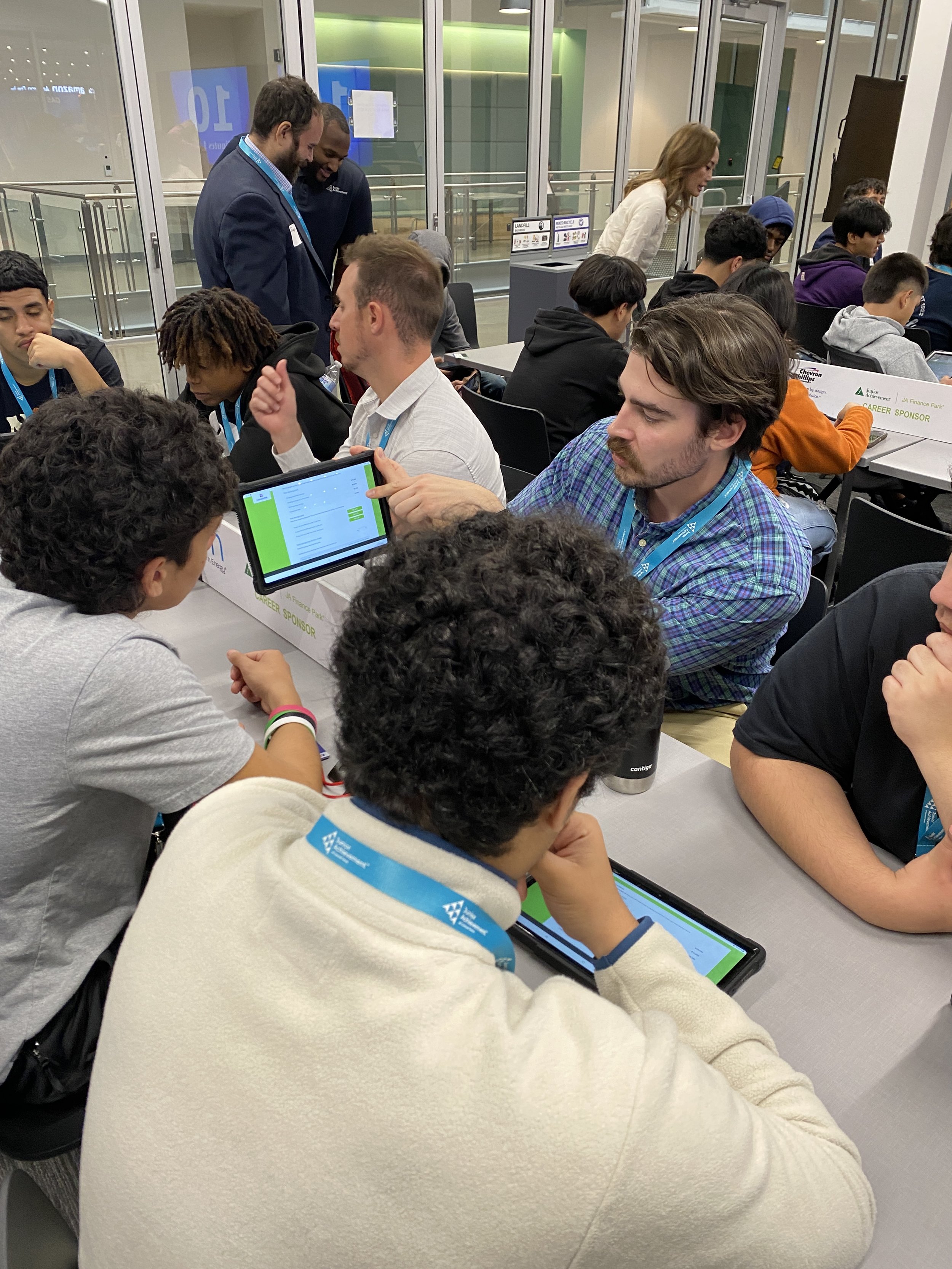
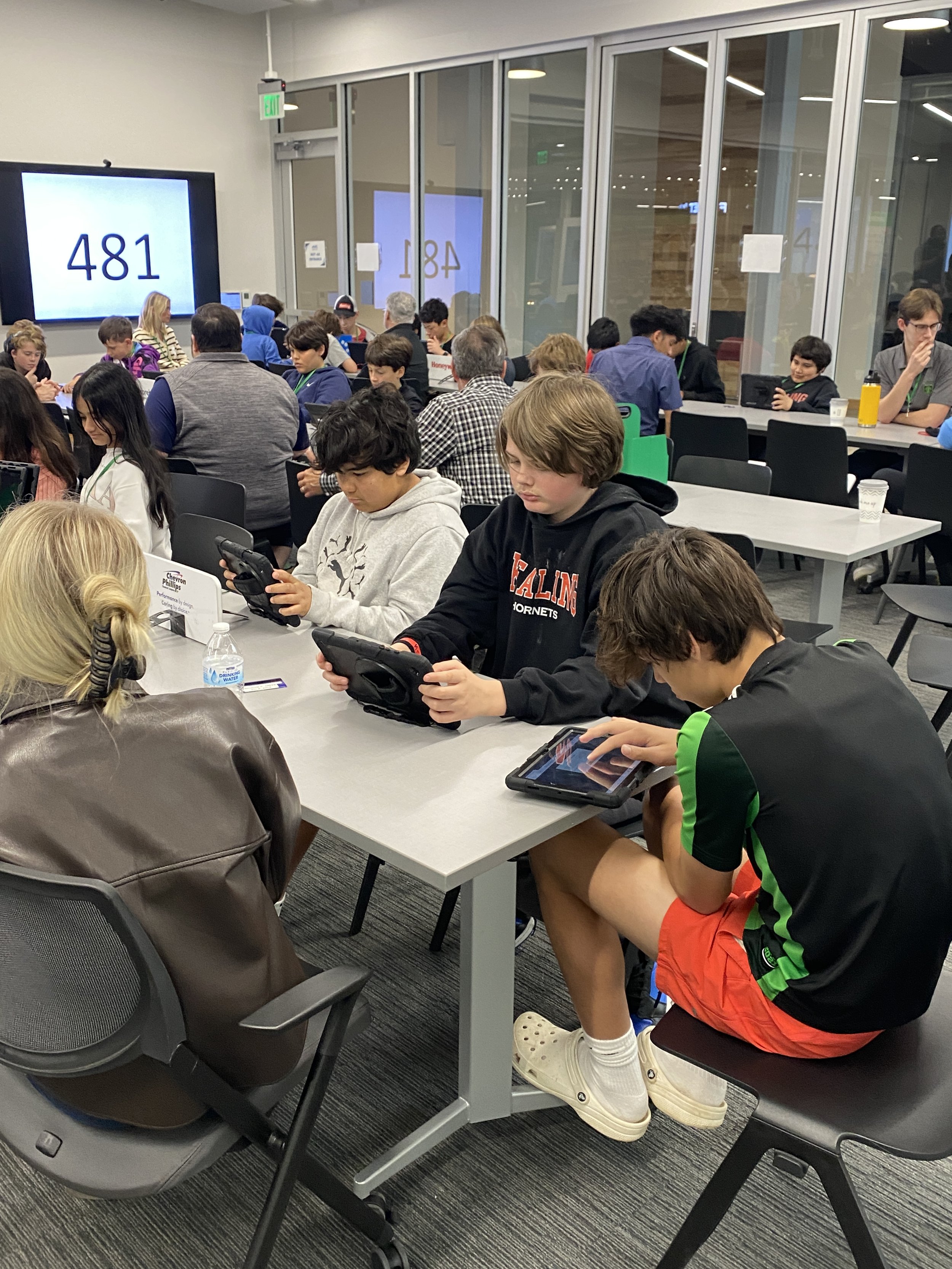
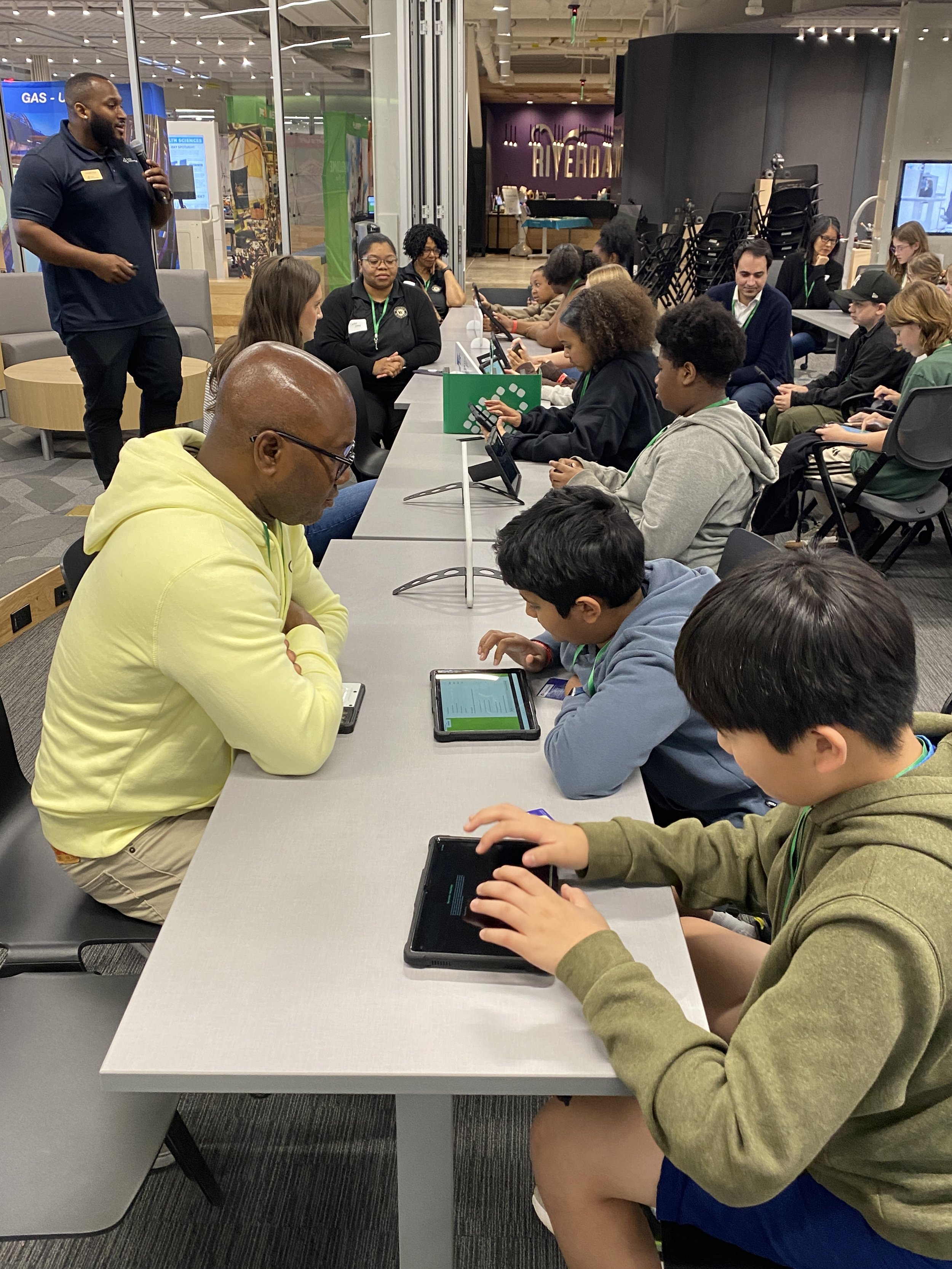
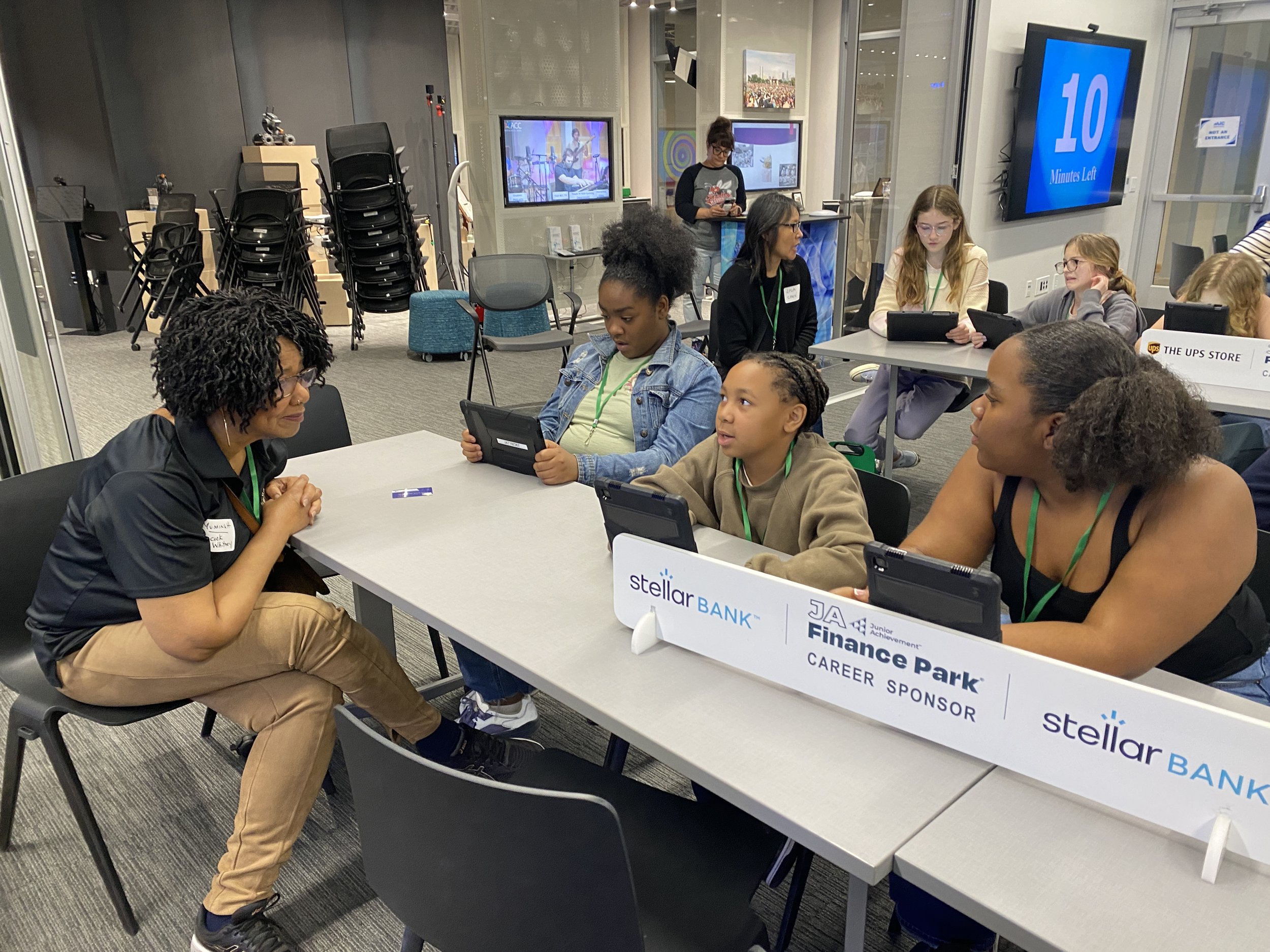
This learning experience combines in-class learning from the educator with JA curriculum and a field trip to work with volunteers from the business community at JA Finance Park held at a host location.
Partner with us! It is because of our Business Partners and Educators continued support of JA Finance Park that our community is able to take another step forward for economic empowerment for all!
Partner Investment Opportunities:
Capital Investment
CTX Branded Unit- Levels Vary
Sustainable Investments
Title Sponsorship- $10,000
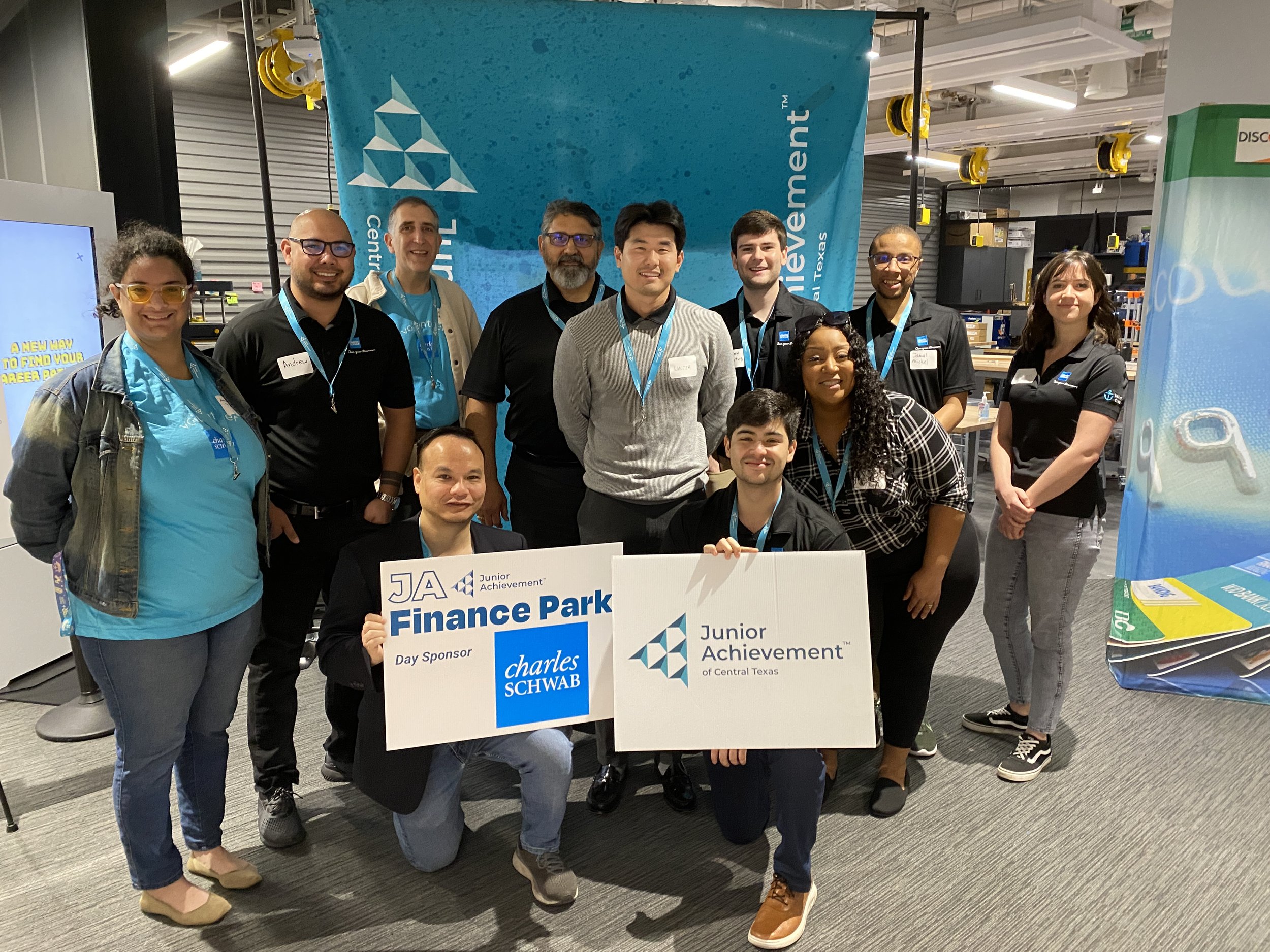
Day Sponsorship- $2,500
Lunch Sponsorship- $1,000 Help us provide lunch to the students, volunteers, and educators.
Benefits to Partnering:
Team Building
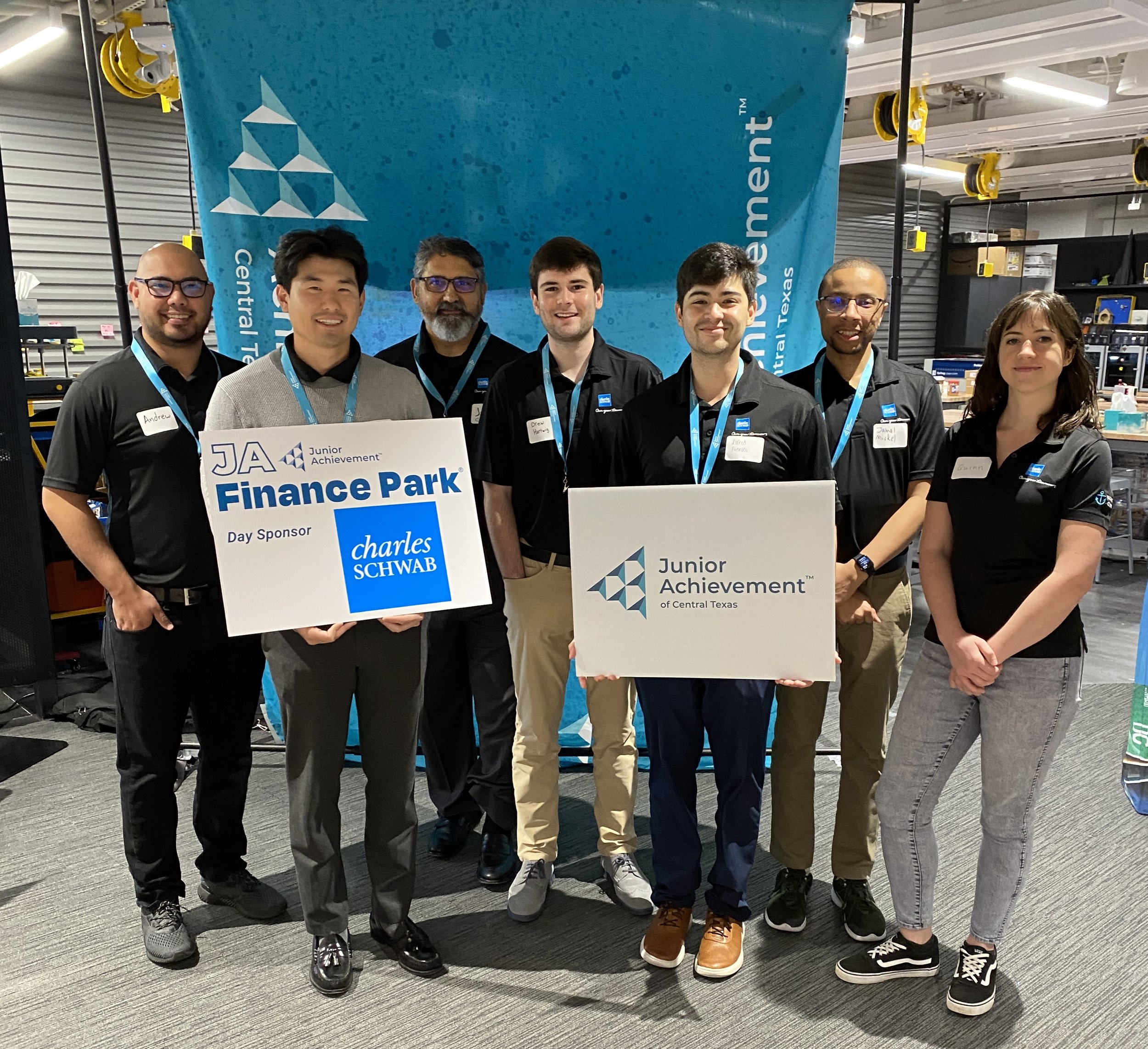
Sponsoring companies have first right of refusal for volunteering
No longterm commitments- One-day of service including training
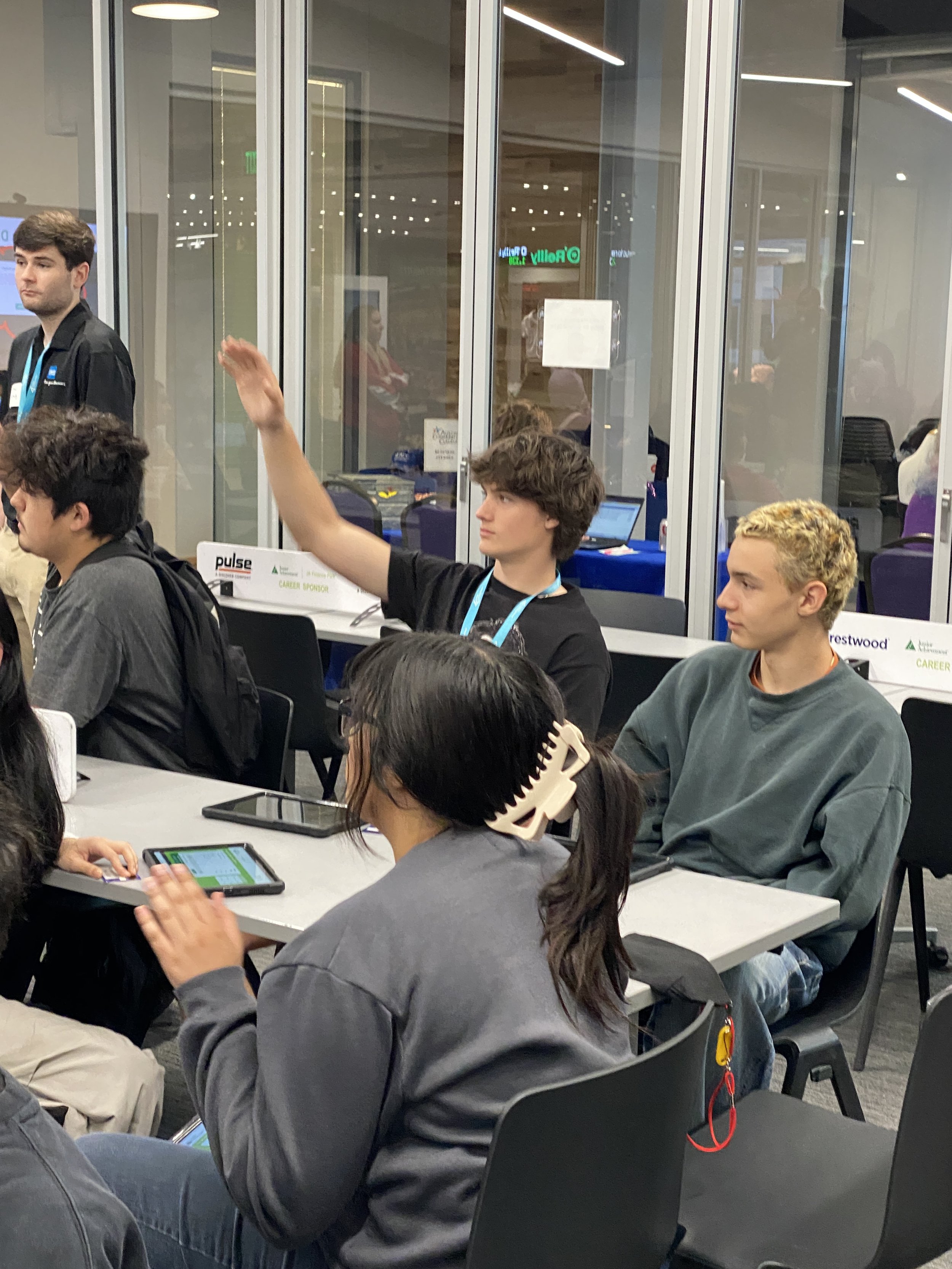
High impact mentoring with low ratios of mentor:students
Exposure: JA Social Posts, JA newsletter, JA blog, JA website, and event signage
Interested in learning more about sponsorship? Email Emily@jacentex.org
Interested in volunteering as an individual or a group?
Click the button or email suzannah@jacentex.org
Unlocking Motivation
What is the JA Finance Park field trip experience?

The Day at JA Finance Park
"Who will I become?”
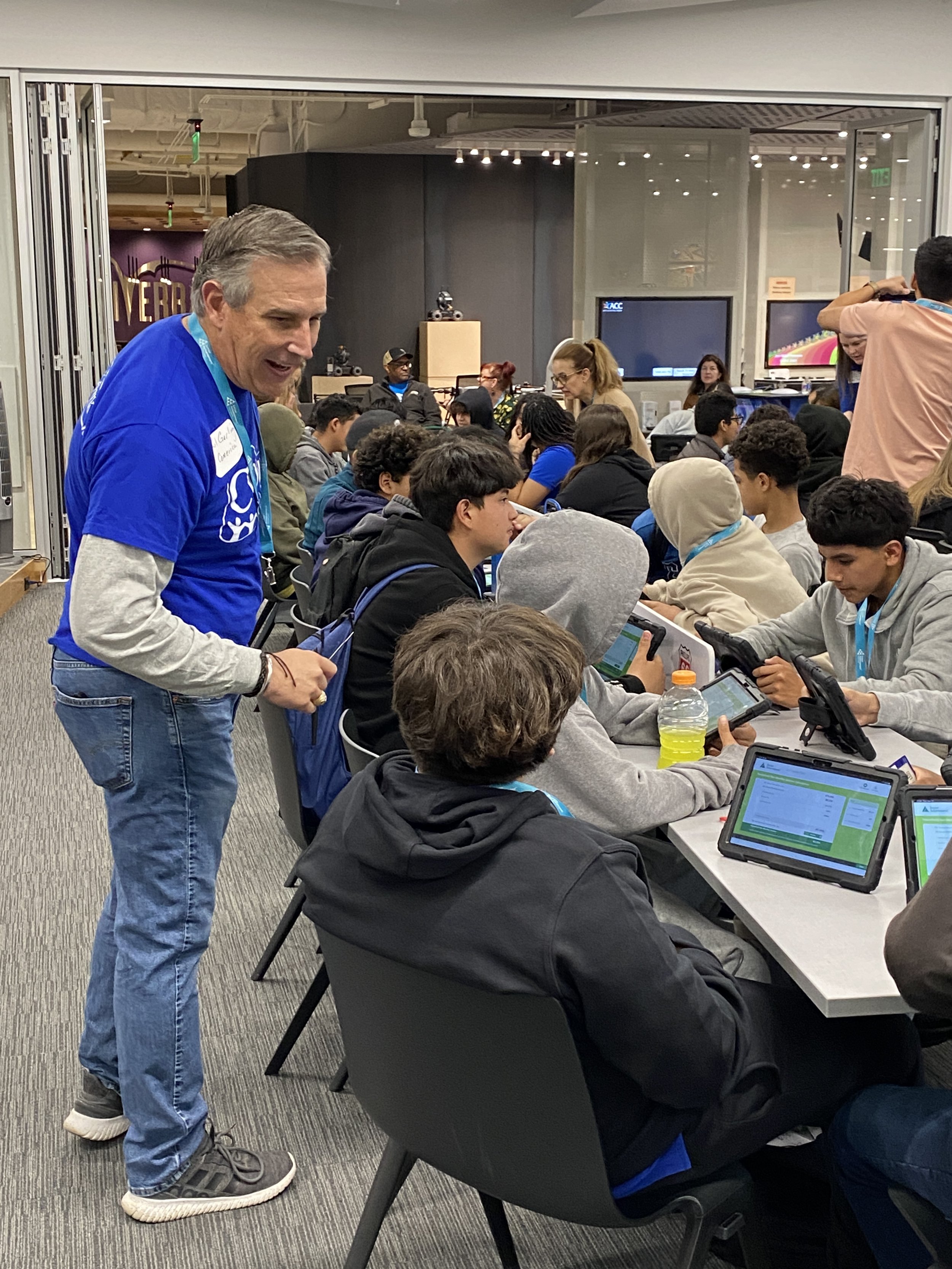
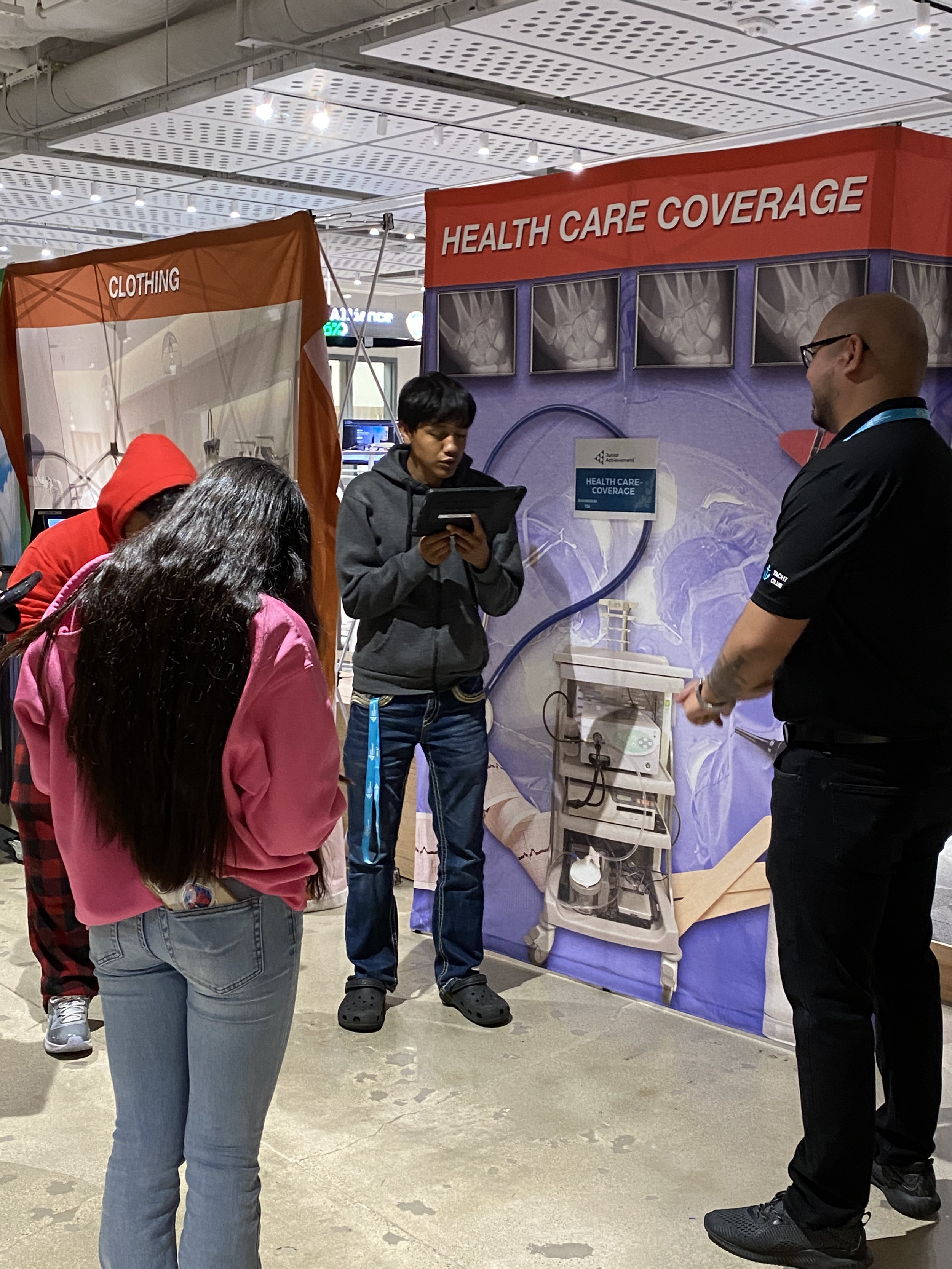
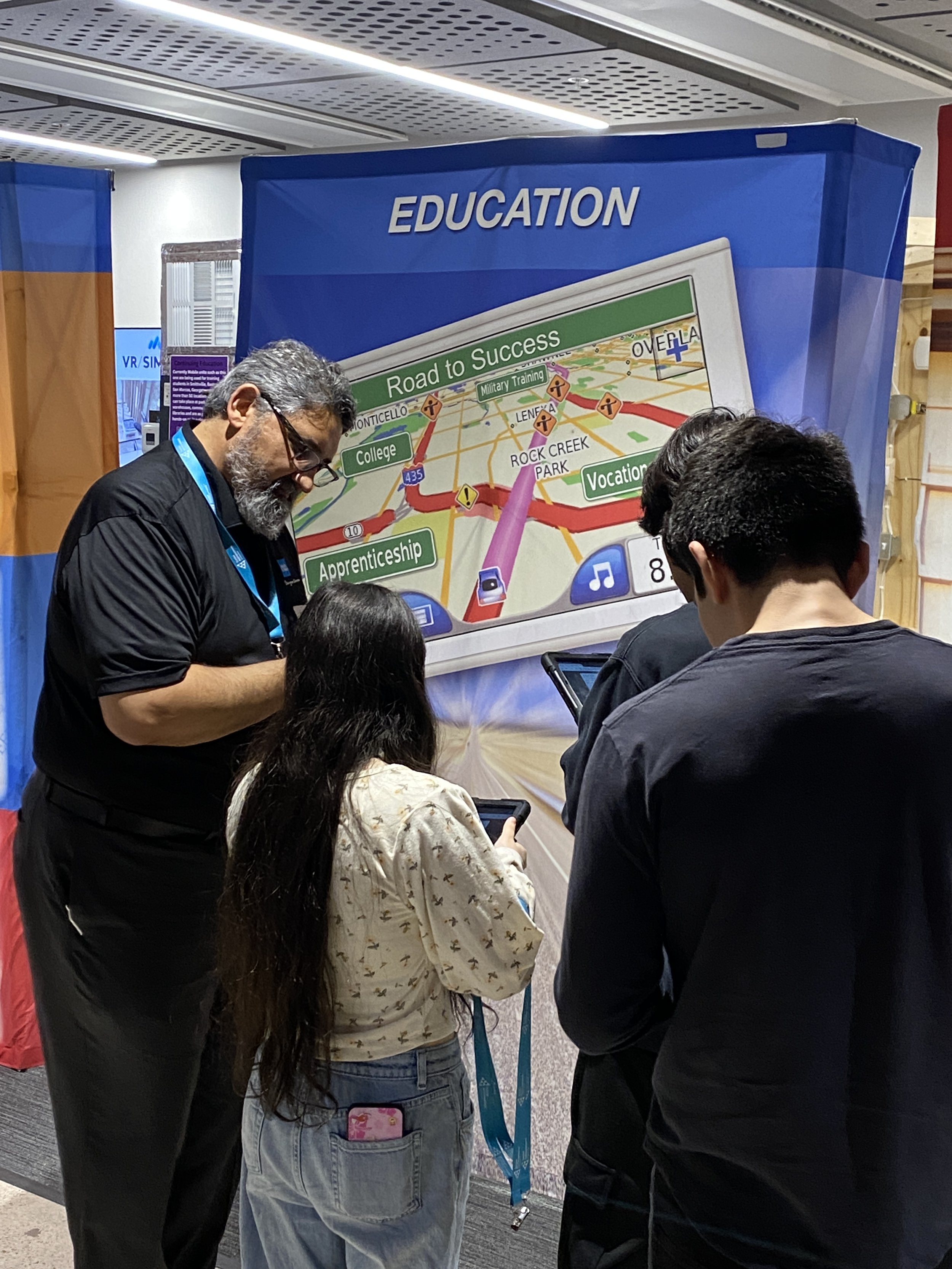
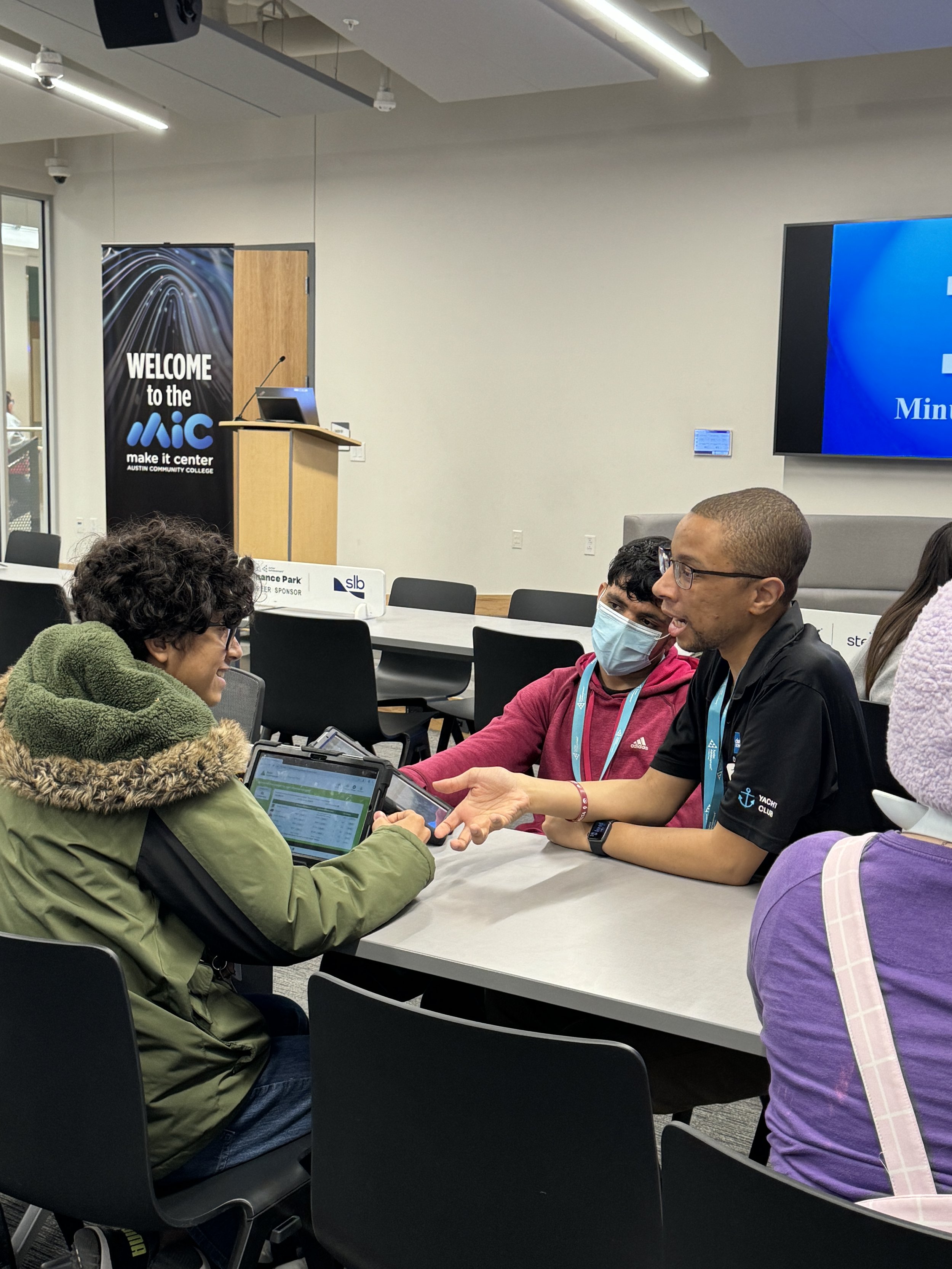
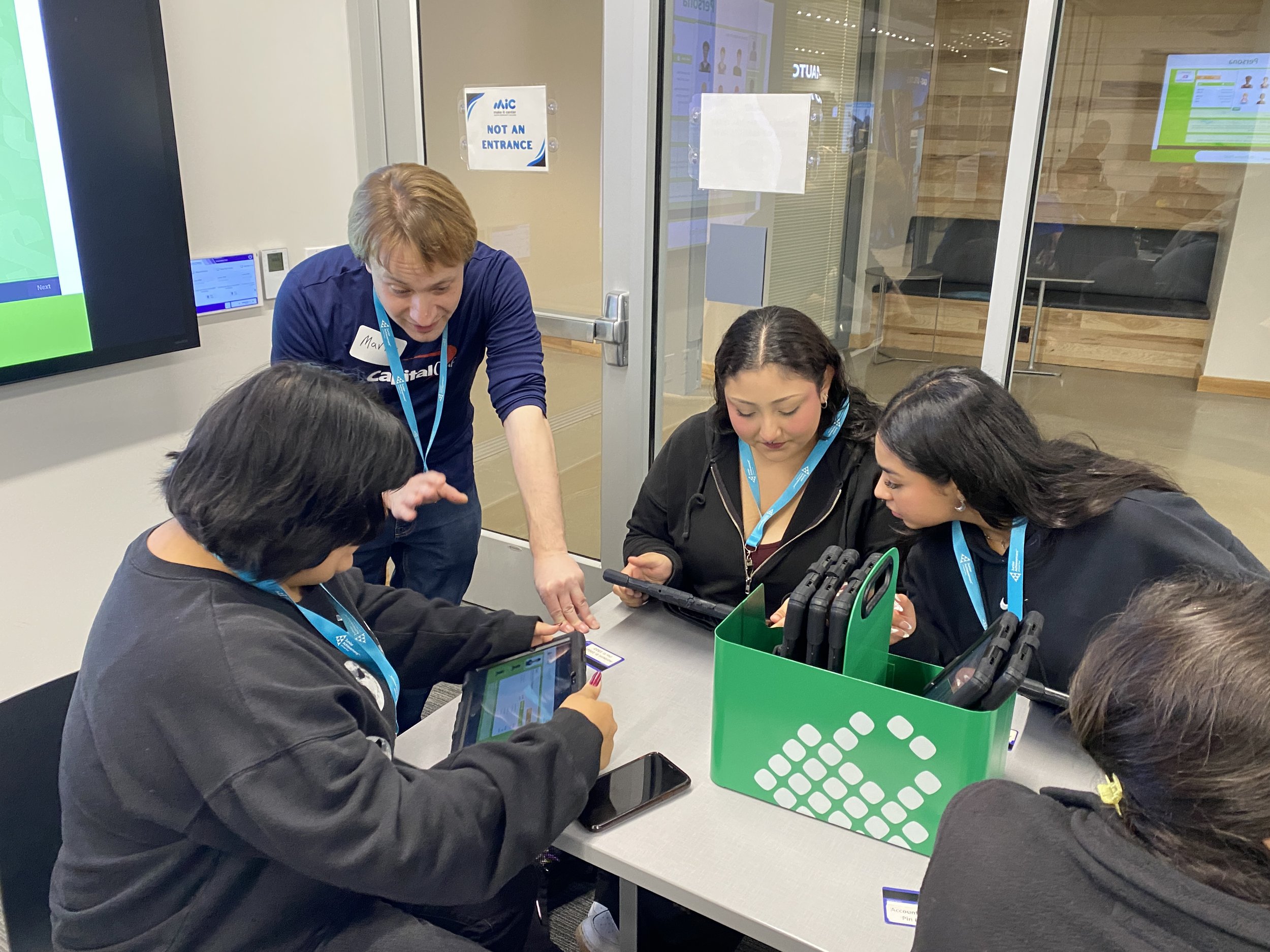
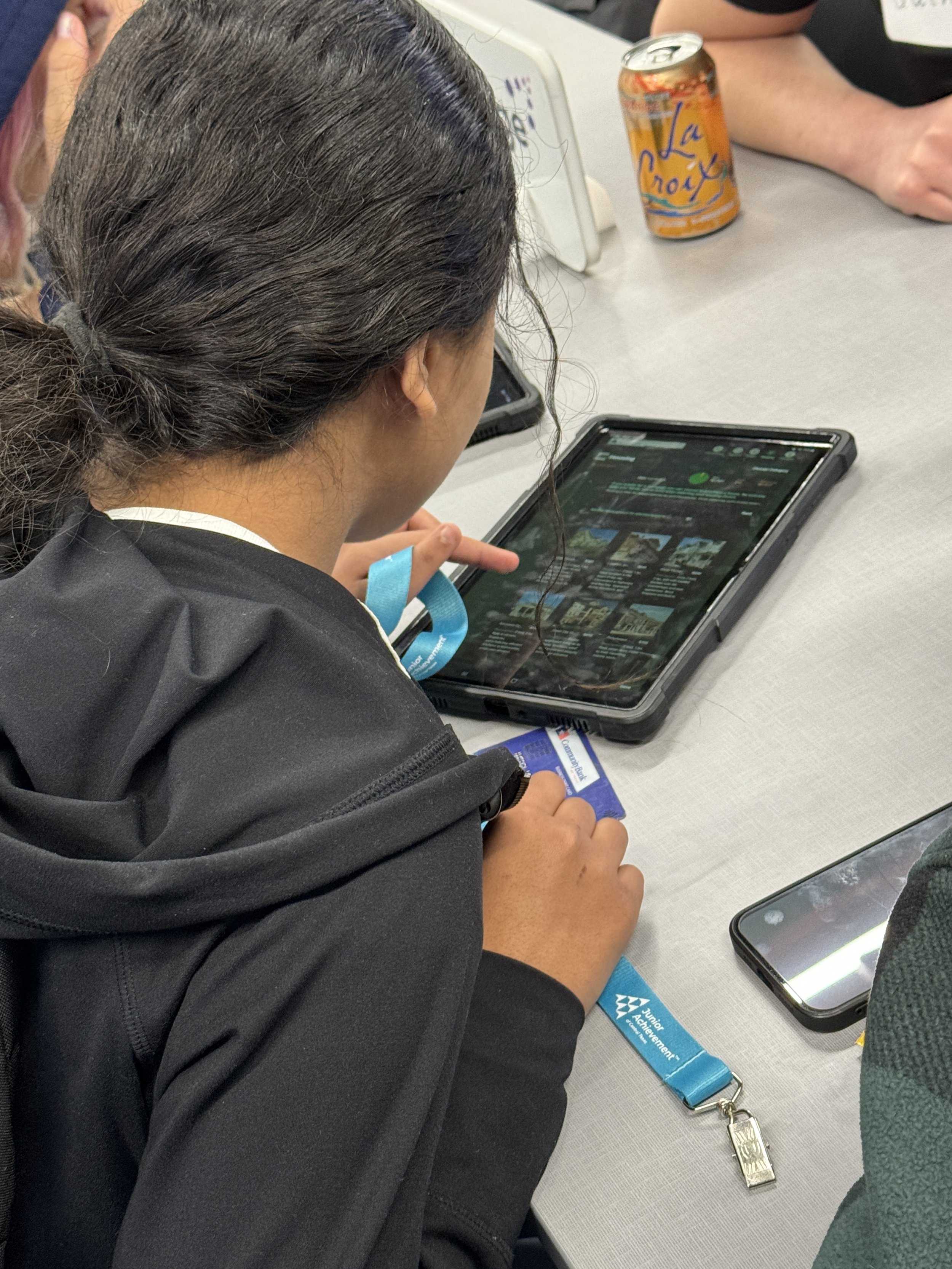
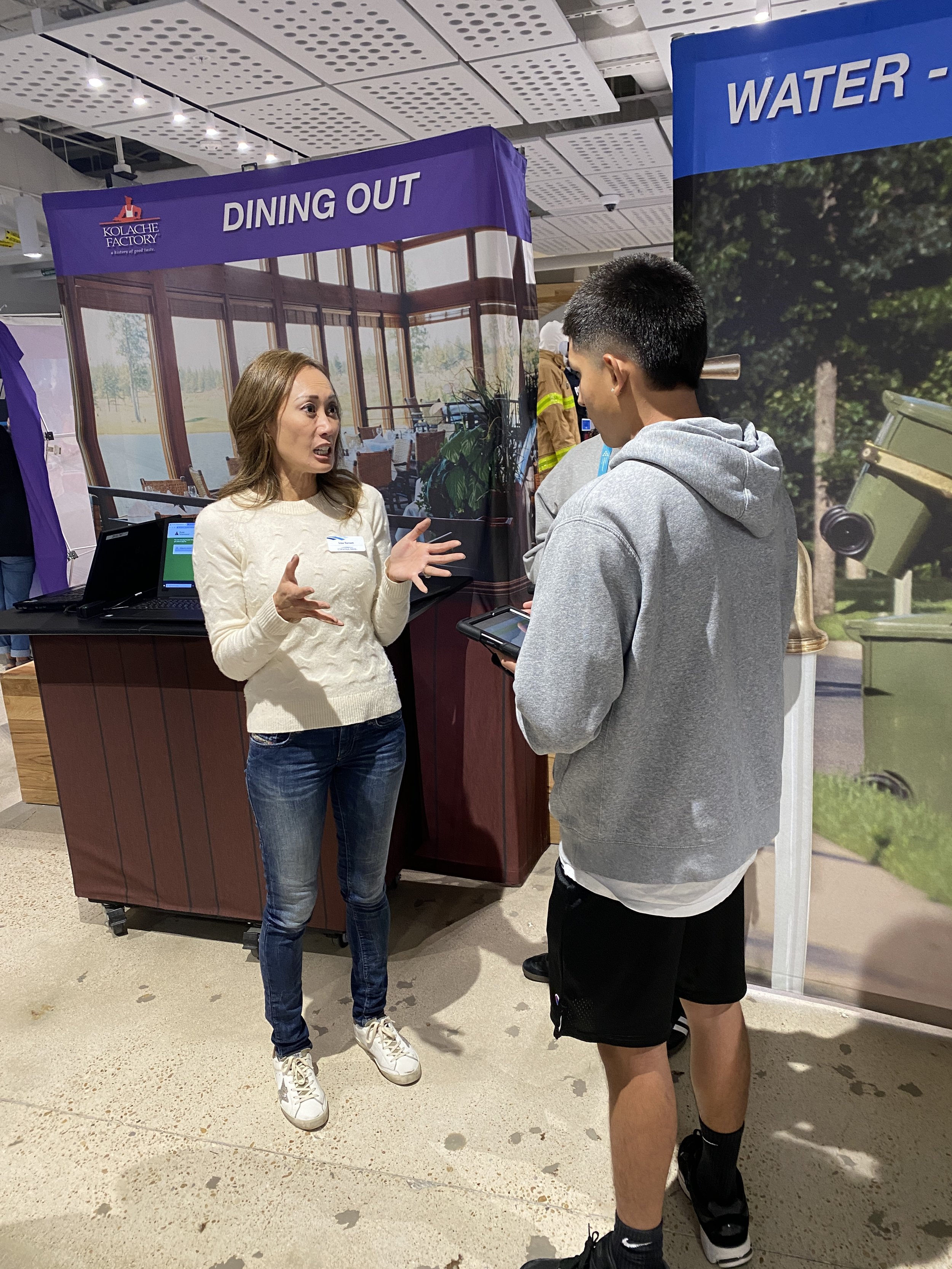
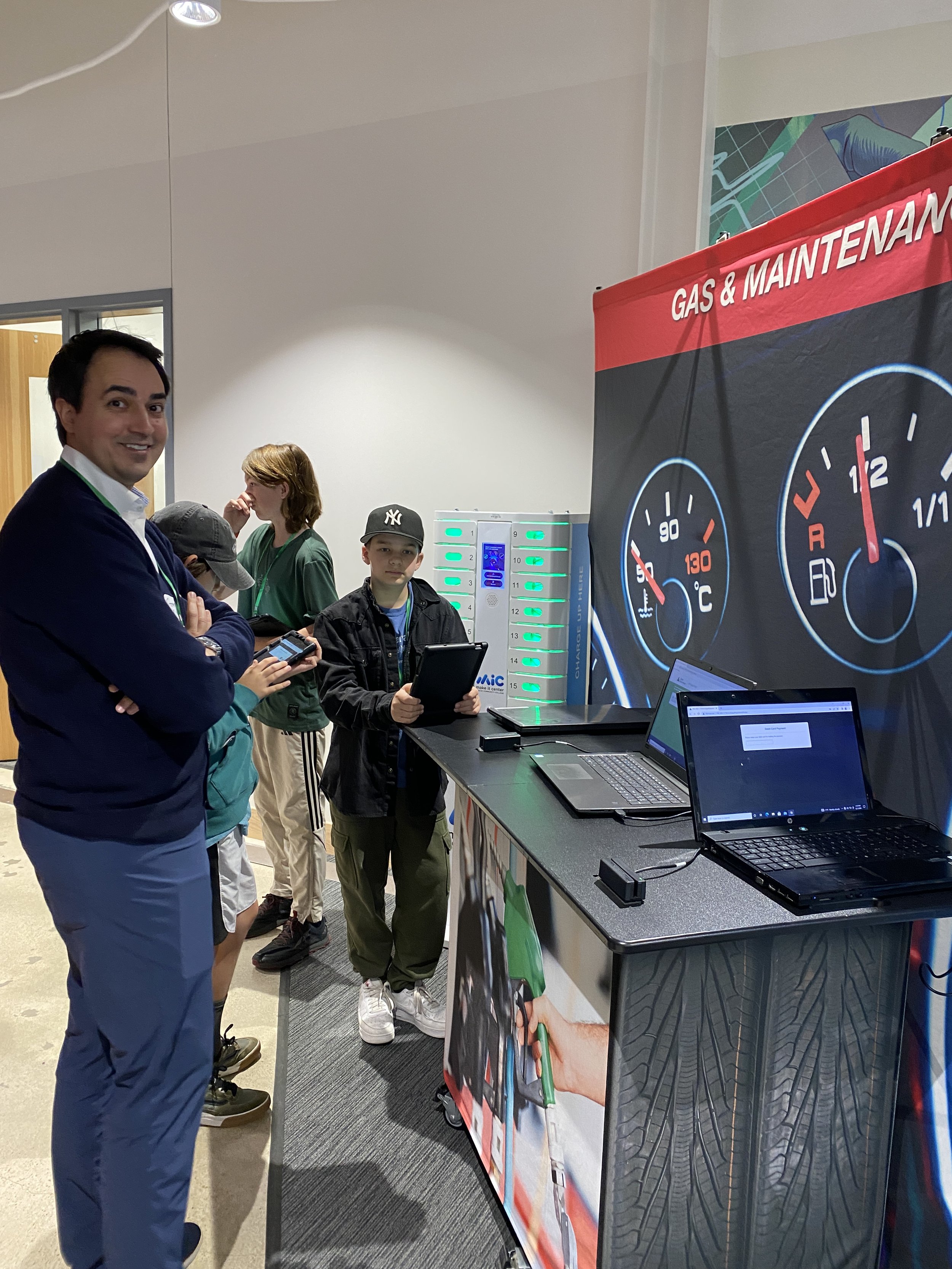
Upon entering the event, each student is given a unique "life situation"—a personal profile detailing their adult life, such as education level, job, and family size. With the guidance of volunteers, they have a hands-on experience navigating kiosks representing real-world businesses like banks and grocery stores, learning to make financial decisions that carry real-life consequences and benefits.
Following JA Finance Park, students will be able to:
-- Identify personal interests, skills, work preferences, and values.
-- Identify career interests.
-- Evaluate the risks and benefits of saving and investing.
-- Evaluate risk and recognize insurance as a way to minimize it.
-- Define taxes, explain their purpose, and understand how they affect everyone.
-- Explain the advantages and disadvantages of using credit and debit cards.
-- Explain who uses a budget and why.
-- Identify the components of a successful budget.
-- Create a successful budget using hypothetical life situations.